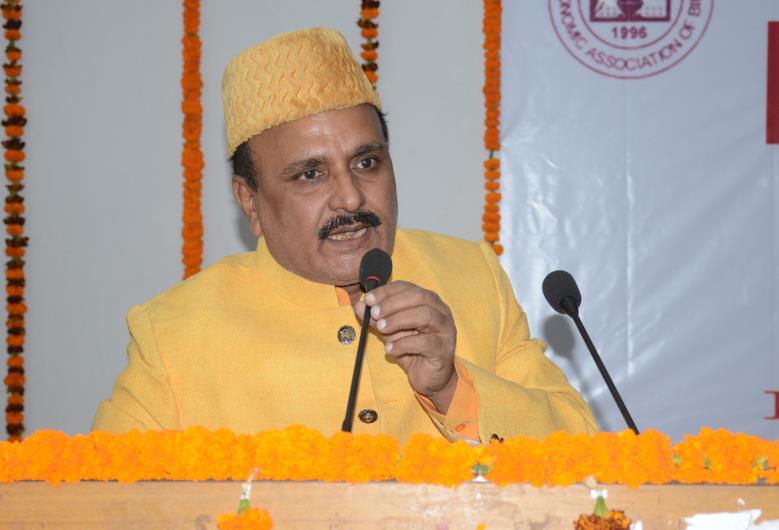
इस बार गुलाबी शहर जयपुर में होगा इंडियन इकोनॉमिक एसोसिएशन का 103वां वार्षिक सम्मेलन, सम्मेलन की तैयारी शुरू, 27, 28 और 29 दिसंबर 2021 को देश भर के अर्थशास्त्रियों का होगा समागम
रूप कुमार, लीगल जर्नलिस्ट बिहार
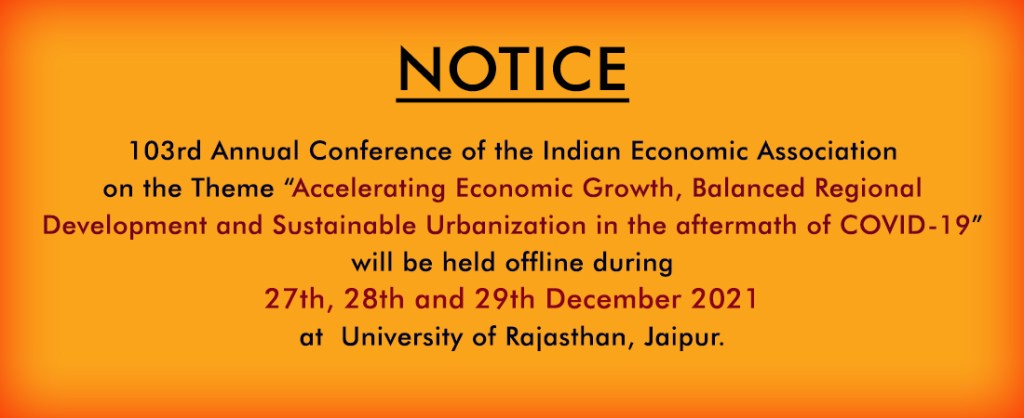
इस बार इंडियन इकोनॉमिक एसोसिएशन का 103वां वार्षिक सम्मेलन गुलाबी शहर के नाम से मशहूर राजस्थान की राजधानी जयपुर में होगा। कोविड-19 के बाद देश की कमजोर हुई अर्थव्यवस्था इस सम्मेलन का मुख्य विषय रहेगा। सम्मेलन की तैयारी शुरू कर दी गई है। सम्मेलन की कामयाबी के लिए संस्था के महासचिव डॉ. बीपी चंद्रमोहन व आयोजन के कन्वेनर डॉ. अनिल कुमार ठाकुर लगातार देश के विभिन्न हिस्सों का भ्रमण कर रहे हैं। प्रो. अनिल कुमार ठाकुर ने बताया कि सम्मेलन में 27, 28 और 29 दिसंबर 2021 को देश भर के अर्थशास्त्रियों का समागम होगा। उन्होंने बताया कि कोविड -19 के कारण संस्था का सम्मेलन पिछले साल स्थगित कर दिया गया था। उन्होंने कहा कि देश के सामने आर्थिक हालत को मजबूत करने की बड़ी चुनौती है। जिसे दूर करने के लिए सम्मेलन में मंथन होगा। तथा तीन दिनों की चर्चा के बाद जो सुझाव आएंगे उसे भारत सरकार के पास भेजा जाएगा। डॉ. ठाकुर ने बताया कि भारतीय आर्थिक संघ देश के युवा अर्थशास्त्रियों को उनकी प्रतिभाओं को निखारने के लिए उन्हें सम्मेलन में एक बड़ा मंच प्रदान करता है। सम्मेलन की सफलता के लिए देश के विभिन्न हिस्सों के लिए संस्था से जुड़े पदाधिकारियों को अलग- अलग जिम्मेवारी दी गई है। सम्मेलन के लिए नार्थ की संयोजक डॉ. मनीषा ने दूरभाष पर बताया कि सम्मेलन में मुख्य रूप से पांच विषयों को फोकस किया गया है। सम्मेलन के मुख्य संयोजक प्रो. अनिल कुमार ठाकुर ने बताया कि सम्मेलन की जानकारी बिहार के अर्थशास्त्र से जुड़े स्टूडेंट से लेकर शिक्षक तक के बीच प्रचार प्रसार के जरिए पहुंचाने की जिम्मेवारी नार्थ की संयोजक डॉ. मनीषा को दी गई है। प्रो. अनिल कुमार ठाकुर ने बताया कि सम्मेलन में वे ही भाग ले सकते हैं जो इंडियन इकॉनोमिक एसोसिएसन के सदस्य हैं। सम्मेलन में भाग लेने के लिए चार हजार रुपये का शुल्क रखा गया है। उन्होंने बताया कि सम्मेलन को लेकर राजस्थान के सीएम इसमें कापी रुचि ले रहे हैं। उन्होंने सरकार की ओर से सहयोग के लिए राजस्थान के शिक्षा मंत्री श्री भाटी को इसके लिए अधिकृत किया है। इसके अलावा भारत के वित्त मंत्री को भी सम्मेलन में भाग लेने का आमंत्रण भेजा गया है।
सम्मेलन में इन विषयों पर होगी चर्चाएं
COVID-19 के बाद आर्थिक विकास में तेजी, संतुलित क्षेत्रीय विकास और सतत शहरीकरण विषय पर होगी चर्चा कोविड-19 के बाद के वर्षों में आर्थिक विकास की मंदी को COVID-19 महामारी ने और अधिक जटिल बना दिया है। जिससे वसूली और भी चुनौतीपूर्ण हो गई है। पिछले दशकों में आर्थिक विकास भी अर्थव्यवस्था के सभी तिमाहियों को समान रूप से लाभान्वित नहीं कर रहा है और असमानताएं बढ़ रही हैं। देश में बैंकिंग और वित्तीय क्षेत्र में हाल के दिनों में कई बैंकों और वित्तीय संस्थानों के पतन के साथ जबरदस्त तनाव हुआ है। नए भारत के लिए एक मजबूत बैंकिंग और वित्तीय क्षेत्र के निर्माण के लिए क्या नीतिगत सबक और सुधार किए जा सकते हैं। आरंभिक चौथी औद्योगिक क्रांति के संदर्भ में अर्थव्यवस्था को पुनर्जीवित करने की चुनौतियाँ मानव संसाधन विकास की महत्वपूर्णता की ओर ध्यान आकर्षित करती हैं। अंत में, भारत को तेजी से शहरीकरण की प्रवृत्ति को अधिक टिकाऊ और लचीला बनाने की चुनौतियों का समाधान करने की भी आवश्यकता है। इंडियन इकोनॉमिक एसोसिएशन के 103वें वार्षिक सम्मेलन का व्यापक विषय समकालीन राष्ट्रीय आर्थिक महत्व के मुद्दों को प्राथमिकता देने वाले लगभग पांच उप-विषयों को तैयार किया गया है। IEA के प्रमुख वार्षिक आर्थिक सम्मेलन में एक आकर्षक कार्यक्रम है जिसमें मुख्य पेपर प्रस्तुतियाँ, पैनल चर्चा, बंदोबस्ती व्याख्यान, स्मारक व्याख्यान और व्यापक विषयों को कवर करने वाले तकनीकी सत्र शामिल हैं। ----- थीम:1 आर्थिक विकास में तेजी: रुझान और आगे का रास्ता भारतीय अर्थव्यवस्था की विकास दर में हाल के वर्षों में लगातार गिरावट आई है, जो कि 2019-20 में प्राप्त 7 प्रतिशत थी। भारतीय अर्थव्यवस्था की विकास दर हाल के वर्षों में लगातार गिरती रही है, जो 2017-18 में प्राप्त 7 प्रतिशत से 2019-20 में केवल 5 प्रतिशत रह गई है। आर्थिक विकास के लिए दृष्टिकोण भी COVID-19 महामारी के प्रकोप से प्रभावित है जिसने अर्थव्यवस्था के सभी क्षेत्रों और क्षेत्रों को प्रभावित किया है। समय के साथ निवेश दर, खपत और निर्यात वृद्धि दर में गिरावट आई। जीडीपी के प्रतिशत के रूप में सकल अचल पूंजी निर्माण 2011-12 में 34.2 प्रतिशत से घटकर 2018-19 में 29.0 प्रतिशत हो गया। सकल घरेलू उत्पाद के प्रतिशत के रूप में सकल घरेलू बचत भी इसी अवधि के दौरान 34.6 प्रतिशत से गिरकर 30.1 प्रतिशत हो गई। 2011-12 से निर्यात करीब 30 करोड़ डॉलर पर स्थिर है। भारतीय अर्थव्यवस्था का सबसे महत्वपूर्ण और सबसे तेजी से बढ़ने वाला क्षेत्र सेवाएं, व्यापार, होटल, परिवहन और संचार हैं; वित्त, बीमा, अचल संपत्ति और व्यावसायिक सेवाएं और सामुदायिक, सामाजिक और व्यक्तिगत सेवाएं सकल घरेलू उत्पाद के 60 प्रतिशत से अधिक के लिए जिम्मेदार हैं। कृषि, वानिकी और मत्स्य पालन उत्पादन का लगभग 12 प्रतिशत है, लेकिन 50 प्रतिशत से अधिक श्रम शक्ति को रोजगार देता है। सकल घरेलू उत्पाद में विनिर्माण का योगदान 15 प्रतिशत है, शेष 5 प्रतिशत के लिए गैस और पानी की आपूर्ति है। बैंकों की उच्च गैर-निष्पादित परिसंपत्तियां (एनपीए), कम ऋण वृद्धि, विशेष रूप से व्यापार के लिए वैश्विक कारक, गैर-बैंकिंग वित्तीय कंपनियों (एनबीएफसी) की समस्याएं, कम कृषि और ग्रामीण आय मंदी के लिए जिम्मेदार थीं। निर्माण क्षेत्र में भी मंदी दिखी। निजी क्षेत्र के निवेश, खपत और निर्यात को पुनर्जीवित करने के लिए नीतियां बनानी होंगी। सरकार की राजकोषीय और मौद्रिक नीतियों को भी विकास को प्रोत्साहित करना चाहिए। ---- थीम-2 सतत शहरीकरण आर्थिक परिवर्तन के लिए भारत को बढ़ते शहरीकरण के लिए तैयारी करनी चाहिए और शहरी क्षेत्रों में रहने की गुणवत्ता में सुधार करना चाहिए। एसडीजी (सतत विकास लक्ष्य) में शहरीकरण की चुनौतियां भी शामिल हैं। लक्ष्य नं। एसडीजी में से 11 स्थायी शहरों से संबंधित हैं। शहरीकरण की कुछ चुनौतियाँ हैं: पर्याप्त शहरी आवास और कार्यालय स्थान का निर्माण; स्लम निर्माण की रोकथाम; वायु प्रदूषण को कम करना, नगरपालिका ठोस अपशिष्ट प्रबंधन; बाहरी गतिविधियों के लिए हरियाली और सामान्य स्थानों का प्रावधान; स्वास्थ्य, शिक्षा, पोषण, बिजली, पानी और सीवेज का प्रावधान; और एक जीवंत परिवहन प्रणाली का प्रावधान। शहरी क्षेत्रों में प्रवासन एक और चुनौती है। उप-विषयों शहरी आवास शहरी आवास कुशल सार्वजनिक और निजी परिवहन वायु प्रदूषण को कम करना और जलवायु परिवर्तन की तैयारी मलिन बस्तियों का पुनर्विकास। स्वास्थ्य, पोषण और शिक्षा। सुरक्षित पेयजल और ठोस अपशिष्ट प्रबंधन ग्रामीण-शहरी प्रवास शहरी नियोजन, स्मार्ट शहर और शहरी विकास विनिर्माण और सेवाएं ----- विषय- 3 नए भारत के लिए बैंकिंग और वित्तीय क्षेत्र आर्थिक विकास और इक्विटी के लिए कुशल बैंकिंग और वित्तीय क्षेत्र का विकास महत्वपूर्ण है। बैंकों की उच्च गैर-निष्पादित परिसंपत्तियां (एनपीए), कम ऋण वृद्धि, गैर-बैंकिंग वित्तीय कंपनियों (एनबीएफसी) की समस्याएं देश में आर्थिक मंदी के कुछ कारण हैं। भारत ने हाल ही में बैंक राष्ट्रीयकरण के 50 वर्ष पूरे किए हैं। सार्वजनिक क्षेत्र की बैंकिंग में कुछ मजबूती आई है। ---- थीम-4 संतुलित क्षेत्रीय विकास हाल के दिनों में अंतर-क्षेत्रीय असमानताओं के बढ़ने को अच्छी तरह से पहचाना गया है। पहले की सभी पंचवर्षीय योजनाओं और वर्तमान नीति आयोग ने संतुलित क्षेत्रीय विकास के महत्व पर बल दिया। अपेक्षाकृत पिछड़े क्षेत्रों में अधिक निवेश प्रदान करने के लिए नीतियां तैयार की गईं। इन नीतियों के बावजूद, भारत में क्षेत्रीय विषमताओं का अस्तित्व एक गंभीर समस्या है। अर्थव्यवस्था के कई क्षेत्रों में नियंत्रण मुक्त होने के कारण कई क्षेत्रों में केंद्र सरकार के नियंत्रण की डिग्री में गिरावट आई है। विभिन्न वित्त आयोगों ने भी क्षेत्रीय विषमताओं में कमी के लिए प्रोत्साहन को प्रोत्साहित किया। ----- थीम-5 नई तकनीकी क्रांति के संदर्भ में मानव संसाधन विकास भारत में मानव विकास को बढ़ाने के लिए गुणवत्तापूर्ण शिक्षा प्रदान करना महत्वपूर्ण है। एसडीजी के तहत शिक्षा के लक्ष्य के लिए सभी के लिए समावेशी और गुणवत्तापूर्ण शिक्षा सुनिश्चित करने की आवश्यकता है। शिक्षा में सीखने के परिणामों में सुधार करना इस लक्ष्य का एक महत्वपूर्ण हिस्सा है। यह आबादी के सभी वर्गों के लिए अवसर की समानता पैदा करता है। यह श्रम बाजार की असमानताओं को कम करने के लिए भी महत्वपूर्ण है। सरकार ने स्कूली और उच्च शिक्षा दोनों के लिए नई राष्ट्रीय शिक्षा नीति (एनईपी) तैयार की है। एनईपी द्वारा सुझाई गई नीतियों की जांच करने की जरूरत है। मसौदा रिपोर्ट में शिक्षा पर सकल घरेलू उत्पाद के लगभग 6 प्रतिशत पर उच्च सार्वजनिक व्यय की आवश्यकता का भी उल्लेख किया गया है। एनईपी भारत की उच्च शिक्षा प्रणाली को विश्व स्तर पर सर्वश्रेष्ठ शिक्षा प्रणाली में बदलने के लिए तर्क देता है। यह देश में अनुसंधान को निधि, समन्वय और बढ़ावा देने के लिए राष्ट्रीय अनुसंधान फाउंडेशन की स्थापना का भी प्रस्ताव करता है। स्कूल और उच्च शिक्षा दोनों में गुणवत्ता में सुधार के लिए नीतियों का सुझाव देने की आवश्यकता है। ---- राजस्थान की अर्थव्यवस्था पर विशेष सत्र राजस्थान की अर्थव्यवस्था पर संयोजक, विशेष सत्र एवं चर्चाएं
This time the 103rd annual conference of the Indian Economic Association will be held in the pink city of Jaipur, preparations for the conference begin, on 27, 28 and 29 December 2021, there will be a meeting of economists from across the country
Rup Kumar, Legal Journalist Bihar,
This time 103rd Annual Conference of Indian Economic Association will be held in Jaipur, the capital of Rajasthan, popularly known as Pink City. The weakened economy of the country after Covid-19 will be the main theme of this conference. The preparations for the conference have started. For the success of the conference, Dr. BP Chandramohan, the general secretary of the organization and the convenor of the event, Dr. Anil Kumar Thakur are constantly touring different parts of the country. Pro. Anil Kumar Thakur informed that economists from across the country will meet on 27th, 28th and 29th December 2021 in the conference. He told that the conference of the organization was postponed last year due to Covid-19. He said that there is a big challenge before the country to strengthen the economic condition. To overcome this, there will be a brainstorming in the conference. And the suggestions that come after three days of discussion will be sent to the Government of India. Dr. Thakur said that the Indian Economic Association provides a big platform to the young economists of the country to hone their talents in the conference. For the success of the conference, different responsibilities have been given to the office bearers associated with the organization for different parts of the country. Convener of the North for the conference, Dr. Manisha told over the phone that the conference mainly focused on five subjects. Pro. Anil Kumar Thakur said that only those who are members of the Indian Economic Association can participate in the conference. Four thousand rupees have been kept for attending the conference. He told that the Chief Minister of Rajasthan is taking great interest in this regarding the conference. He has authorized Rajasthan’s Education Minister Mr. Bhati for cooperation on behalf of the government. Apart from this, the Finance Minister of India has also been invited to participate in the conference. The chief convenor of the conference Dr. Thakur tlod Dr. Manisha, has been given the responsibility of promoting it in Bihar.
Discussions will be on these topics in the conference
The topic of rapid economic growth after COVID-19, balanced regional development and sustainable urbanization will be discussed
The slowdown in economic growth in the post-COVID-19 years is further compounded by the COVID-19 pandemic. This has made recovery even more challenging. Economic growth over the past decades has also not been benefiting all quarters of the economy equally and inequalities are increasing. The banking and financial sector in the country has been under tremendous stress in recent times with the collapse of several banks and financial institutions. What policy lessons and reforms can be taken to build a strong banking and financial sector for a new India. The challenges of reviving the economy in the context of the early Fourth Industrial Revolution draw attention to the importance of human resource development. Lastly, India also needs to address the challenges of making rapid urbanization more sustainable and resilient. The broad theme of the 103rd Annual Conference of the Indian Economic Association has been framed around five sub-themes giving priority to issues of contemporary national economic importance. The IEA's flagship annual economic conference has an engaging program that includes keynote paper presentations, panel discussions, endowment lectures, commemorative lectures and technical sessions covering a wide range of topics.
-----
High non-performing assets (NPAs) of banks, low credit growth, global factors especially for business, problems of non-banking financial companies (NBFCs), low agricultural and rural incomes were responsible for the slowdown. There was also a slowdown in the construction sector. Policies have to be made to revive private sector investment, consumption and exports. The government’s fiscal and monetary policies should also stimulate growth.
Theme-2
sustainable urbanization – For economic transformation, India must prepare for increasing urbanization and improve the quality of living in urban areas. The SDGs (Sustainable Development Goals) also include the challenges of urbanization. Target no. Of the SDGs, 11 pertain to sustainable cities. Some of the challenges of urbanization are: creation of adequate urban housing and office space; prevention of slum formation; reducing air pollution, municipal solid waste management; Provision of greenery and common spaces for outdoor activities; provision of health, education, nutrition, electricity, water and sewage; and provision of a vibrant transportation system. Migration to urban areas is another challenge.
sub-themes
Urban Housing
Urban Housing
Efficient public and private transport
Reducing air pollution and preparing for climate change
Redevelopment of slums.
Health, nutrition and education.
Safe drinking water and solid waste management
rural-urban migration
Urban Planning, Smart Cities and Urban Development
Manufacturing & Services
Subject – 3
Banking and Financial Sector for a New India
Efficient banking and financial sector development is critical to economic growth and equity. High non-performing assets (NPAs) of banks, low credit growth, problems of non-banking financial companies (NBFCs) are some of the reasons for the economic slowdown in the country. India recently completed 50 years of bank nationalisation. There has been some strength in public sector banking.
Theme-4
balanced regional development
The escalation of intra-regional inequalities has been well recognized in recent times. All the earlier Five Year Plans and the present NITI Aayog emphasized the importance of balanced regional development. Policies were designed to provide more investment in relatively backward areas. Despite these policies, the existence of regional disparities in India remains a serious problem. Deregulation in many sectors of the economy has resulted in a decline in the degree of central government control in many sectors. Various Finance Commissions also encouraged incentives to reduce regional disparities.
Theme-5
Human Resource Development in the context of the New Technological Revolution
Providing quality education is important for enhancing human development in India. The goal of education under the SDGs requires ensuring inclusive and quality education for all. Improving learning outcomes in education is an important part of this goal. It creates equality of opportunity for all sections of the population. It is also important for reducing labor market inequalities. The government has formulated a new National Education Policy (NEP) for both school and higher education. The policies suggested by the NEP need to be examined. The draft report also mentions the need for higher public expenditure on education at around 6 per cent of GDP. The NEP argues for transforming India’s higher education system into one of the best in the world. It also proposes the establishment of a National Research Foundation to fund, coordinate and promote research in the country. There is a need to suggest policies to improve quality in both school and higher education.
Special session on economy of Rajasthan
Convenor, special session and discussions on economy of Rajasthan

 LAW IS SUPREME